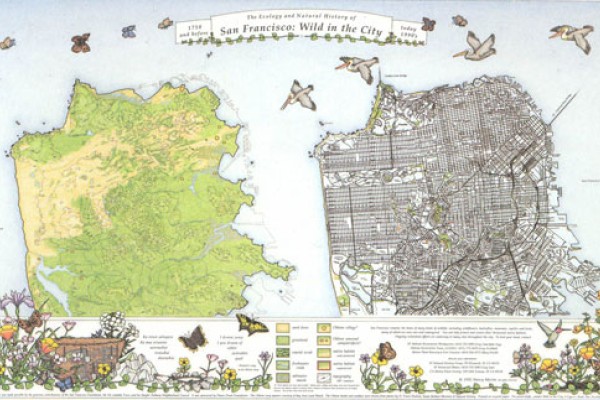
San Francisco is located in a global biodiversity hotspot - we have rich biological diversity but also a lot of current and potential impacts. Despite being 95% developed, our city contains dozens of natural ecological communities, harboring an astounding diversity of birds, mammals, reptiles and amphibians, rare and endangered species, and over 500 local native plants. We celebrate our diversity, but it is also under serious threat.
San Francisco's natural heritage
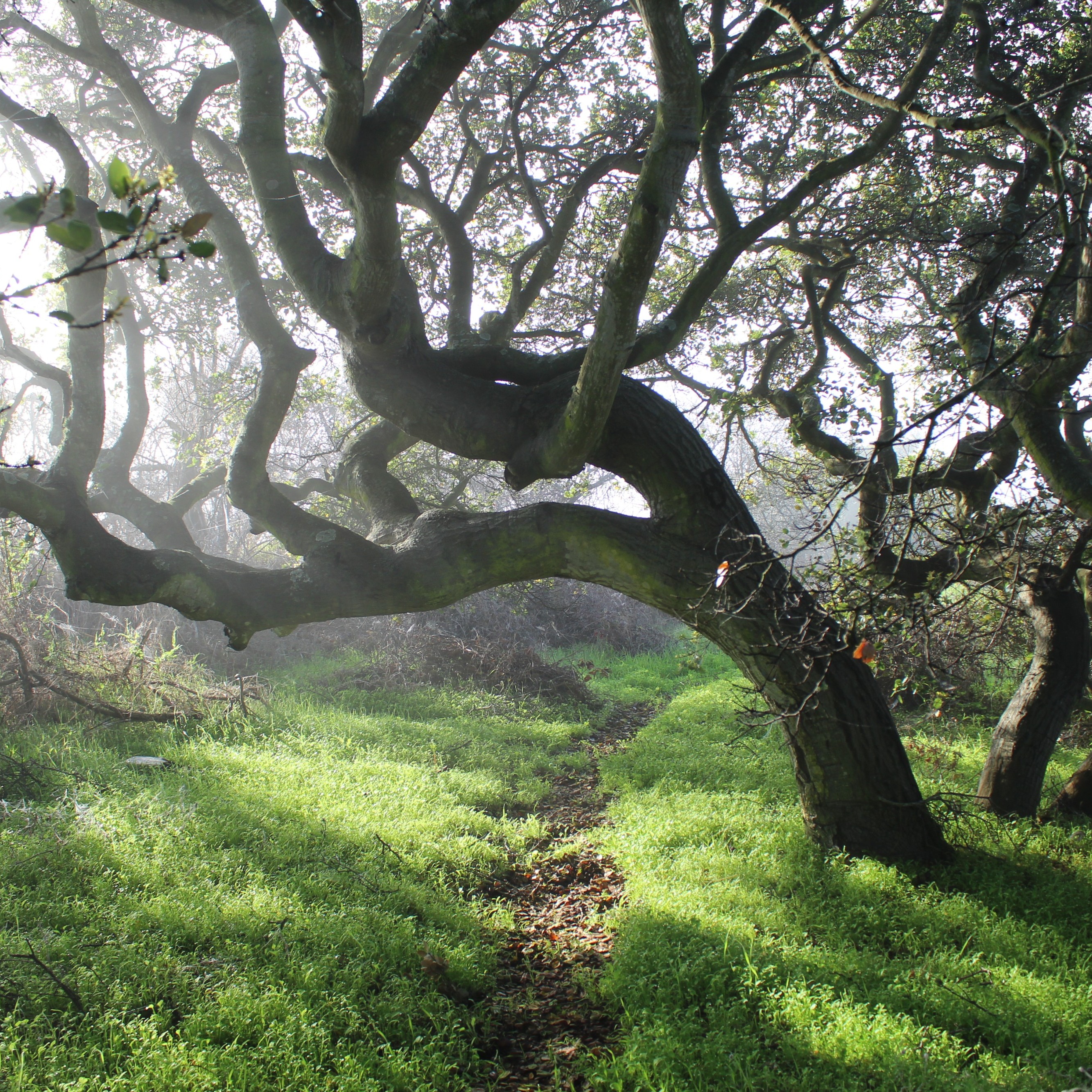
The city's biodiversity resides in iconic park lands like the Presidio, Twin Peaks, Glen Canyon, Lake Merced and Golden Gate Park. These places harbor a remarkable diversity of ecological communities of native habitats, plants and animals. The California Biodiversity Initiative validates that San Francisco's wetlands, prairies, dunes, oak woodlands and other wildlife habitats are part of the California Floristic Province, identified by Conservation International and the Nature Conservancy as a global biodiversity hotspot. Our local bioregion is recognized by the United Nations as the Golden Gate Biosphere Reserve.
Our ecology
San Francisco’s biodiversity exists among a complex urban geography of parklands, natural areas, urban forests, community gardens and neighborhoods. Despite intense urban development, San Francisco still has significant areas of extraordinary natural ecosystems, including grasslands, wetlands, coastal scrub, dunes, woodlands, and, of course, the Bay and the Ocean.
Read more about animals, plants, places, and ecosystems in San Francisco.
People and nature
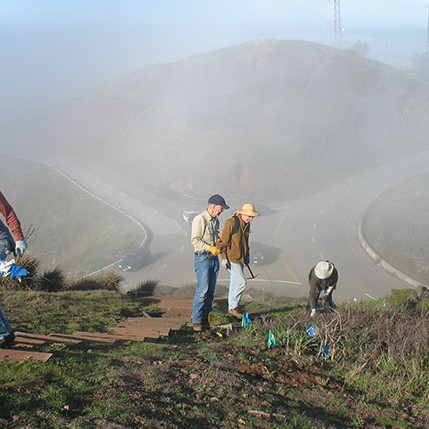
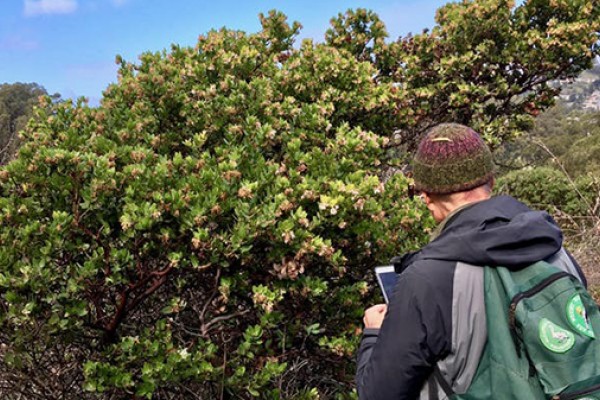
People and community groups help care for our local natural lands, restoring habitat while strengthening their own connection to nature. This shared stewardship supports both ecological health and community well being.
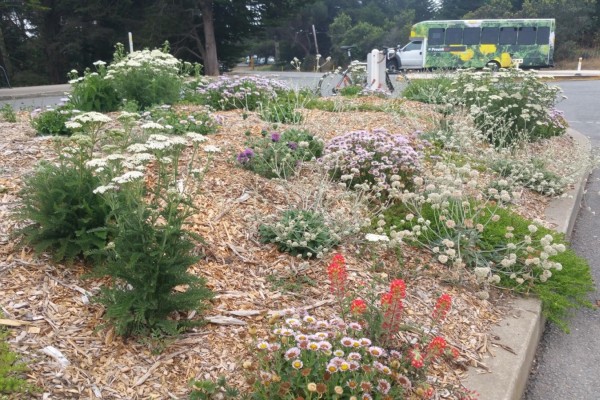
Access to nature plays a vital role in healthy neighborhoods: green spaces and street trees clean the air, cool our city, and create inviting places to walk, gather, and play. Research shows that spending time outdoors can reduce stress, support mental and physical health, and even improve children’s learning. Making sure these benefits are available equitably across all neighborhoods is central to San Francisco’s climate and resilience goals.
To explore a simple way to slow down and connect with nature, visit the California State Parks Foundation page on forest bathing.
Pollinators
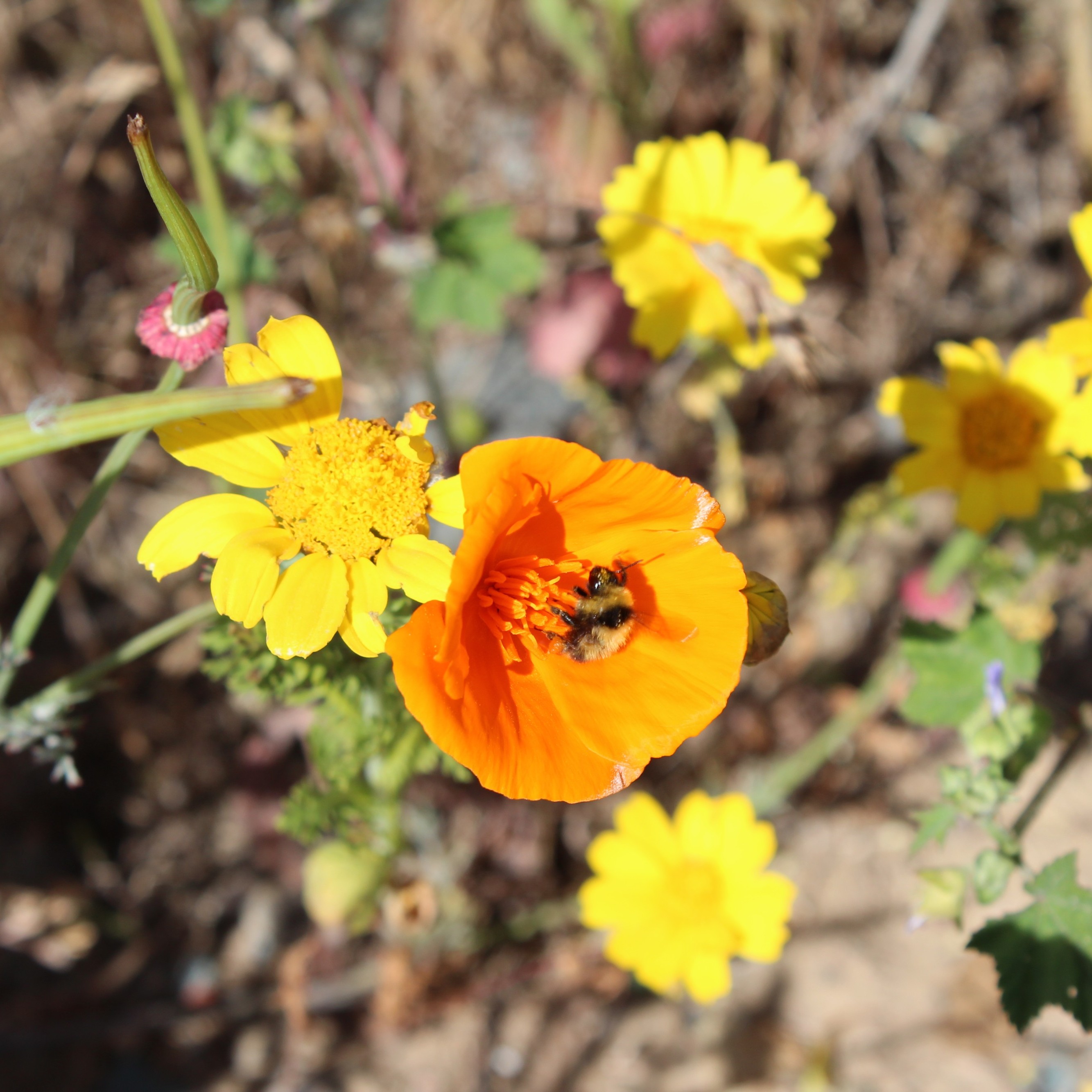
Bees and other pollinators and insects in general are declining. Pollinators (bees, birds, butterflies and bats) are necessary for the health of our food crops, and insects - after plants - are the foundation of our natural ecosystems.
Biodiversity program
The Biodiversity program supports collaborative, interagency conservation planning and management for a comprehensive watershed- and ecosystem-based natural resources management and stewardship program. It facilitates ecological restoration of wildlife habitats and educates the public about living natural heritage and local ecological stewardship opportunities.
Find, tend, grow, share
Discover, explore, heal and restore the city's natural habitats, places and species.