Zero waste means reducing, reusing, recycling, and composting with nothing going to landfill or incineration. Instead, products are designed and used according to the zero waste hierarchy.

Making zero waste a reality
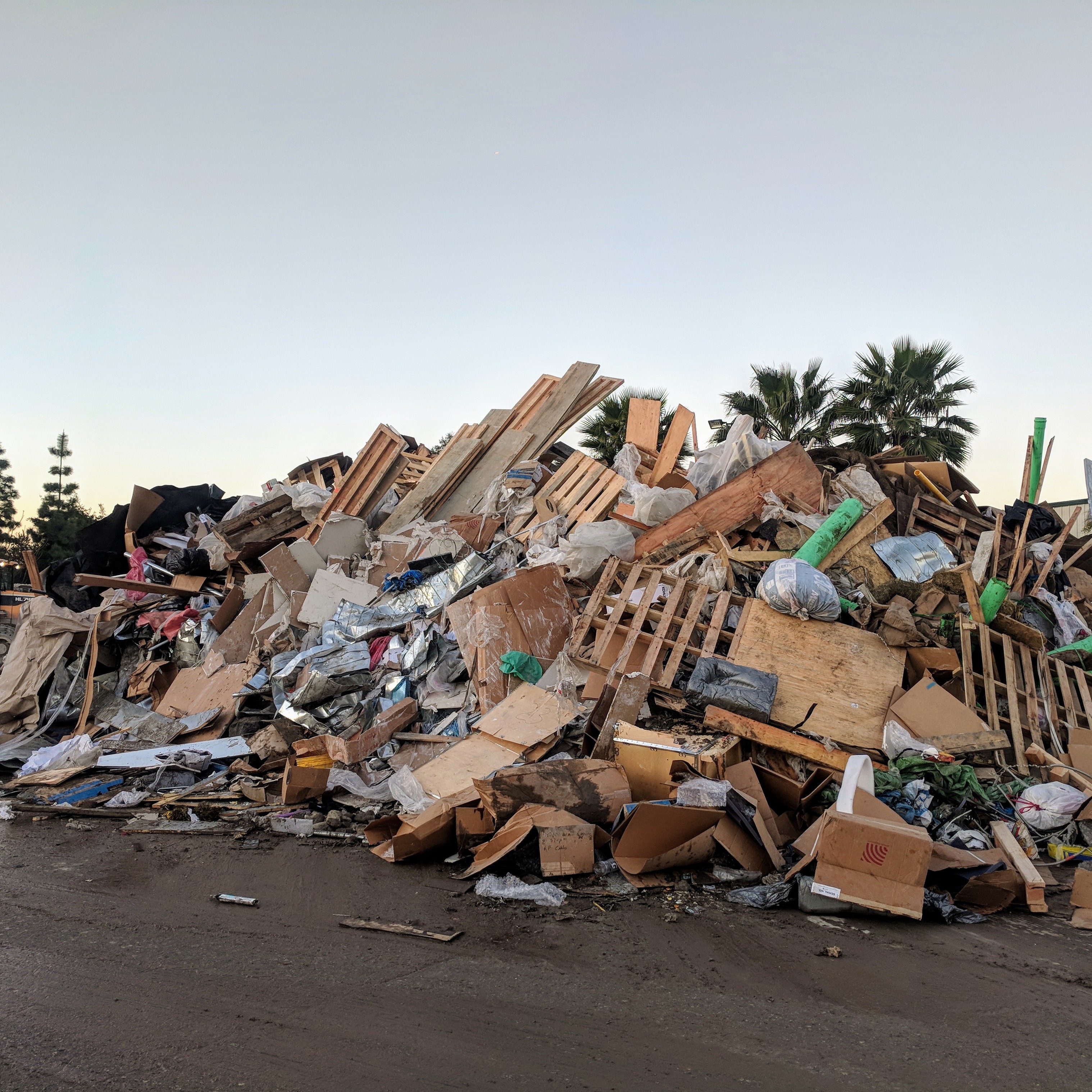
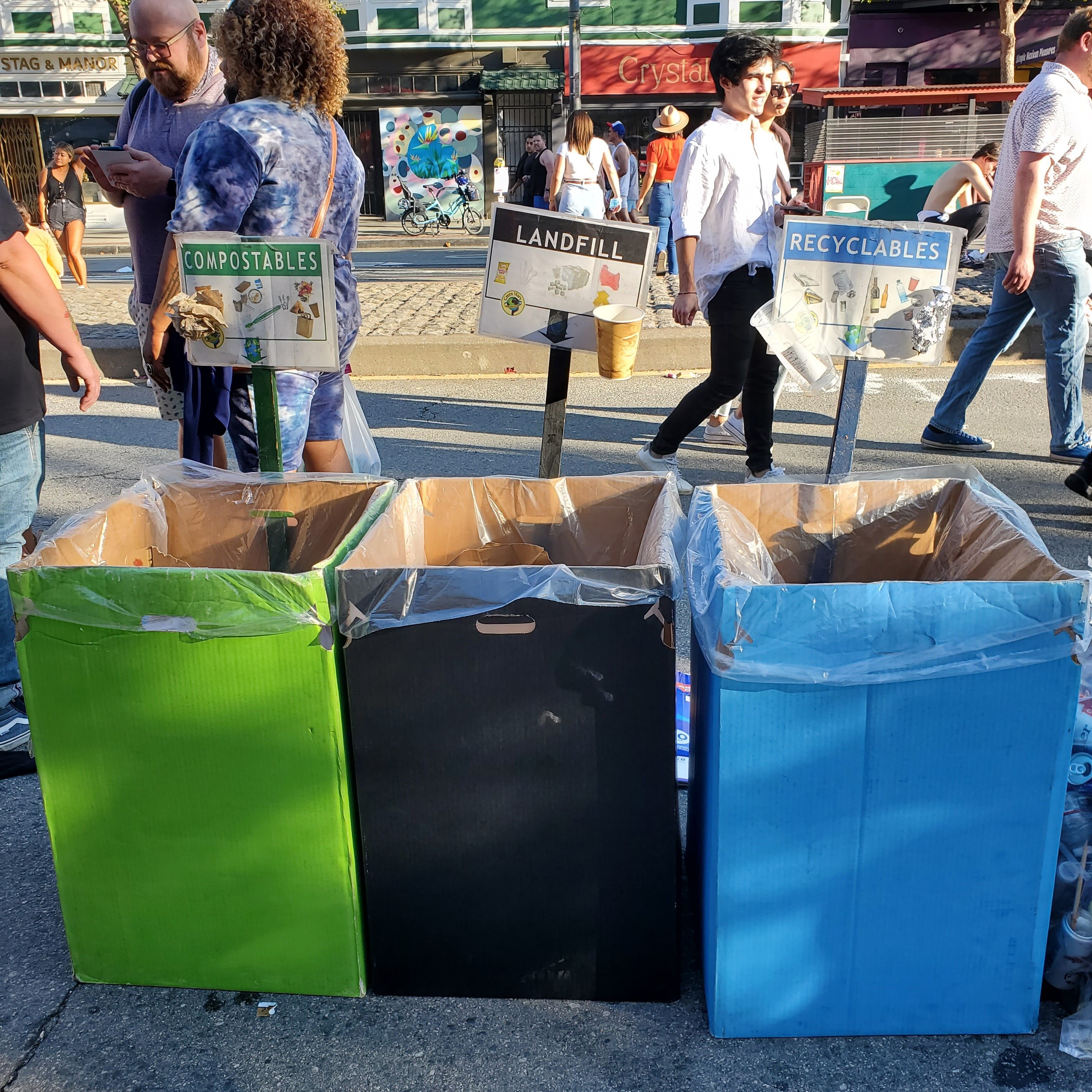
Currently half of what residents and commercial businesses put into the green, blue, and black bins is sent to landfill, which results in around 1,593 tons of landfill-bound material each month.
The City and County of San Francisco believes achieving zero waste is possible through best practices like reducing, reusing, recycling and composting. In 2018, San Francisco took a pledge along with other major cities to set ambitious sustainability goals to:
- Reduce municipal solid waste generation by 15% by 2030 (reducing what goes into the recycling, composting, and black bins).
- Reduce disposal to landfill and incineration 50% by 2030 (reducing what goes in the black bin).
Everybody has a role to play in reducing waste and can make an impact by following the zero waste hierarchy shown above, inspired by the Zero Waste International Alliance. A zero waste hierarchy supports the concept of circularity and ranks actions from most preferred to least desired: redesign systems, reduce, reuse, recycle and compost, material recovery, and landfill. These actions bring us closer to a circular economy-- one where we extract maximum value from resources before recovering and regenerating them at the end of their life cycle. SF Environment works with Recology to properly handle discarded material and give products a new life.
Program history
For more than 20 years, San Francisco has been a leader in implementing effective zero waste programs. Learn more about how SF Environment has established programs and policies that reduce waste and advance toward our climate goals.
Successes and impact
San Francisco has already set a North American record for recycling & composting. Composting and recycling more can help residents, businesses, and city government save money, conserve natural resources, and protect public health and safety. Visit our impact page and learn more about how SF Environment continues to achieve tremendous impact in its communities.

Everyday actions towards zero waste
Even though San Francisco has dramatically reduced the amount sent to landfills, half of refuse can be recycled or composted. We need your help to reach zero waste.
Explore more about how you can follow the zero-waste hierarchy and participate in a circular economy in SF:
Prevent waste
- Conduct an at-home waste audit.
- Minimize packaging by shopping at farmer’s markets.
- Learn how to properly store food and prevent food waste.
Reduce and reuse
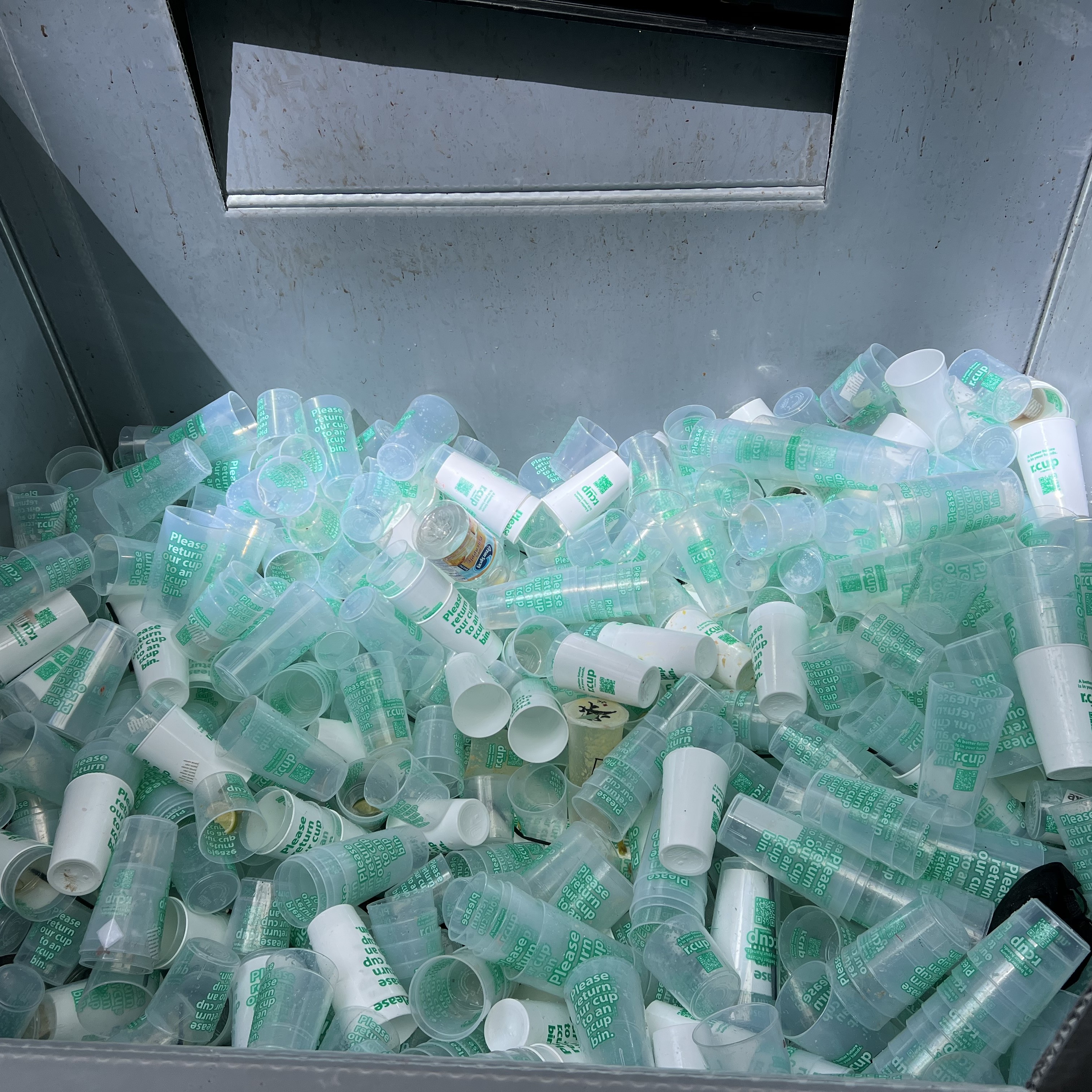
- Carry a reusable water bottle, coffee cup, and utensils. Get a discount at participating cafes when you bring your own cup! Learn more about SF Environment's Bring Your Own Cup Campaign and find a participating cafe on our map.
- Carry reusable bags with you and avoid the mandatory bag charge. Receive a free produce bag giveaway on April 24th from 3:30-6:00pm at the Mission Community Market. Learn more about San Francisco farmer's markets.
- Donate to and shop at secondhand thrift shops, clothing swaps, neighborhood yard sales, and online marketplaces.
- Opt-out of single-use items when you order takeout.
- Learn how to repair and attend a fix-it-clinic for clothing and bicycles.
Recycle and compost
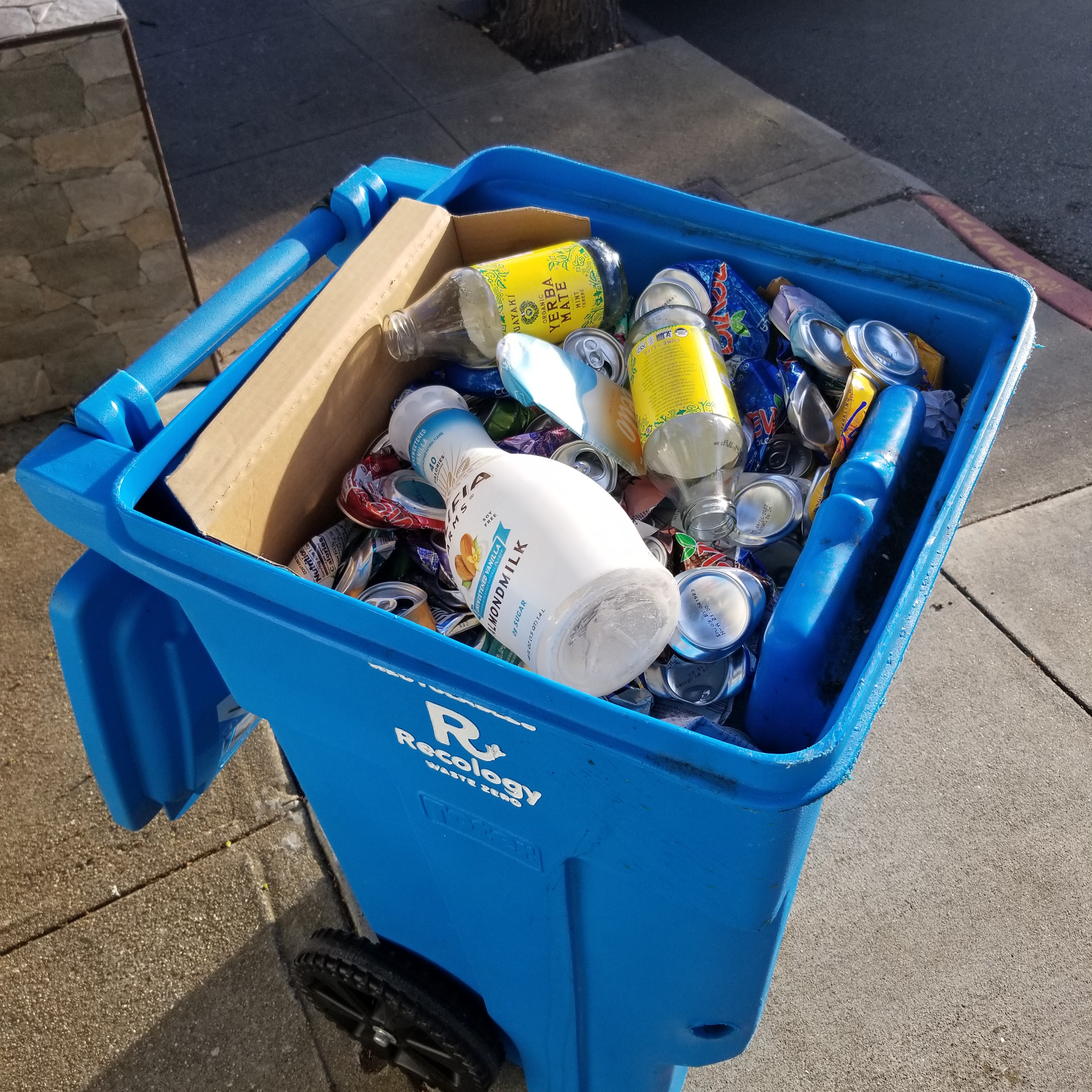
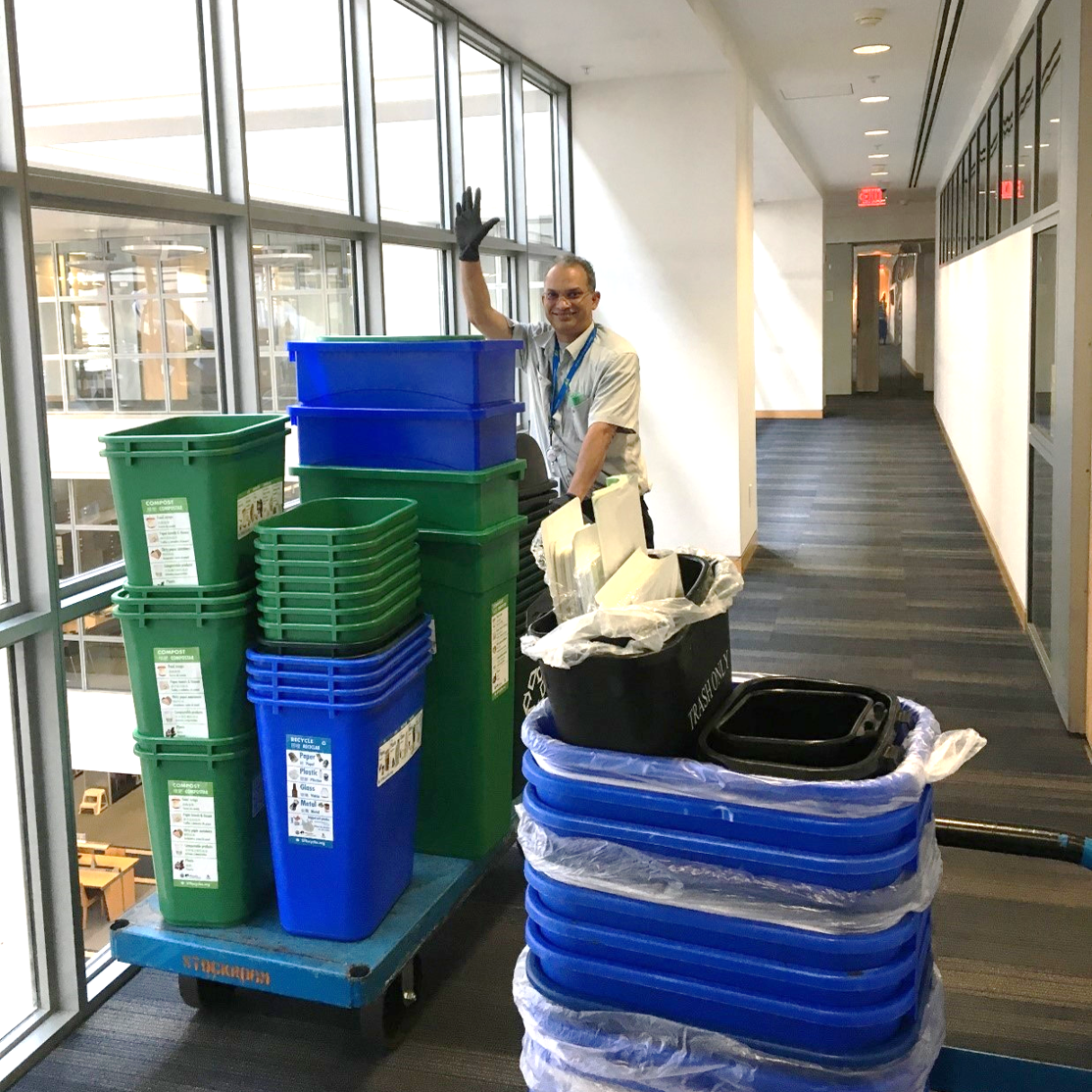
- Visit SFRecycles.org for guidance on what-goes-where in the 3-bin system.
- Participate in Bottle Bank to earn CRV deposits on aluminum and plastic beverage containers.
- Use this toolkit to help property managers and tenants comply with SF’s mandatory recycling and composting ordinance.
- Get free compost at a compost giveaway.
- Use premade signs or the sign maker tool to create your own zero waste signage for your home or business.
- Learn about recycling myths and improve your waste sorting.
Dispose of hazardous and bulky materials responsibly
- Donate old electronics: TVs, computers, and cell phones. Dispose of e-waste using Recology's free pick-up service.
- Recycle household batteries for free or drop them off at a collection center
- Safely dispose of medicines for free at by mail or at drop-off kiosks.
- Schedule a free pickup with Recology’s Bulky Item Pickup Service.
Recology Services
San Franisco Environment works with San Francisco's service provider, Recology, to ensure that all residents and businesses have adequate refuse service and comply with the Mandatory Recycling and Composting Ordinance. Together, we can help divert materials from landfill and send more recyclables and compost to have a second life.
-
Contact Recology's customer service for support
-
Access refuse rates for single and multi-households, apartments, and commercial buildings.
-
Learn what goes into the 3 bins and what needs to be specially handled.
-
Schedule a free pickup with Recology’s Bulky Item Pickup Service for residential only
-
Drop off hazardous waste at a collection center, schedule a free pickup 2x a year through their residential household collection service, or see if you qualify for the Business Very Small Quantity Generator Program (VSQG)